Two Ways to Get Ready, One Question
When people decide to take medical preparedness seriously, they usually face the same choice: take a Red Cross class, or buy a good emergency medical book?
Both sound responsible. Both cost time or money. So which one do you actually need?
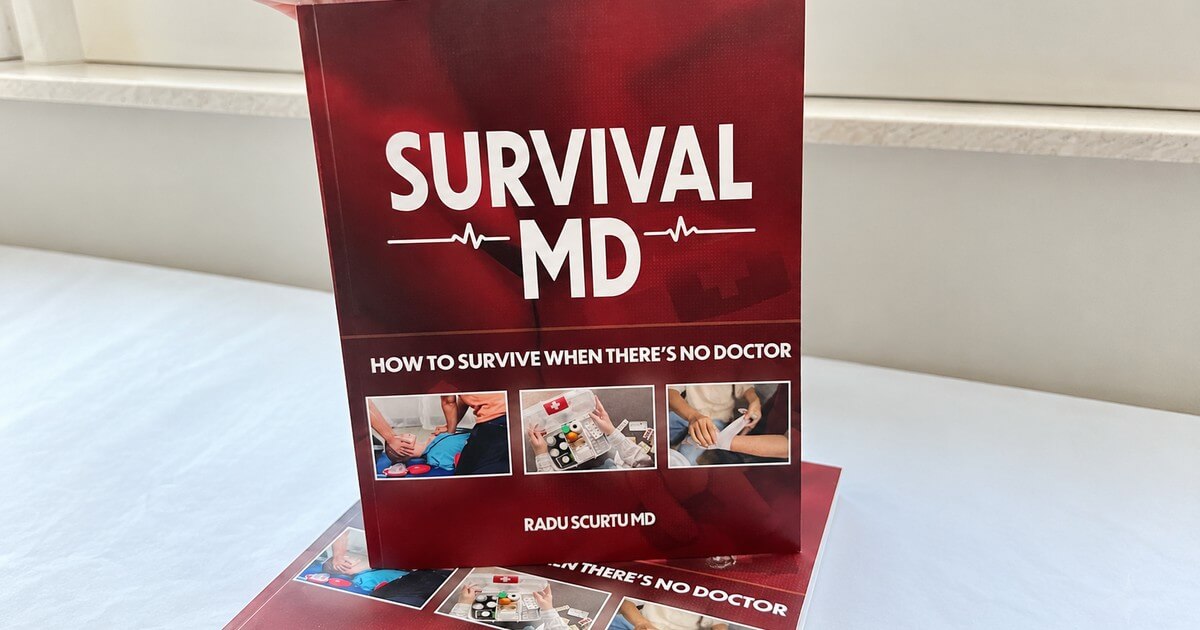
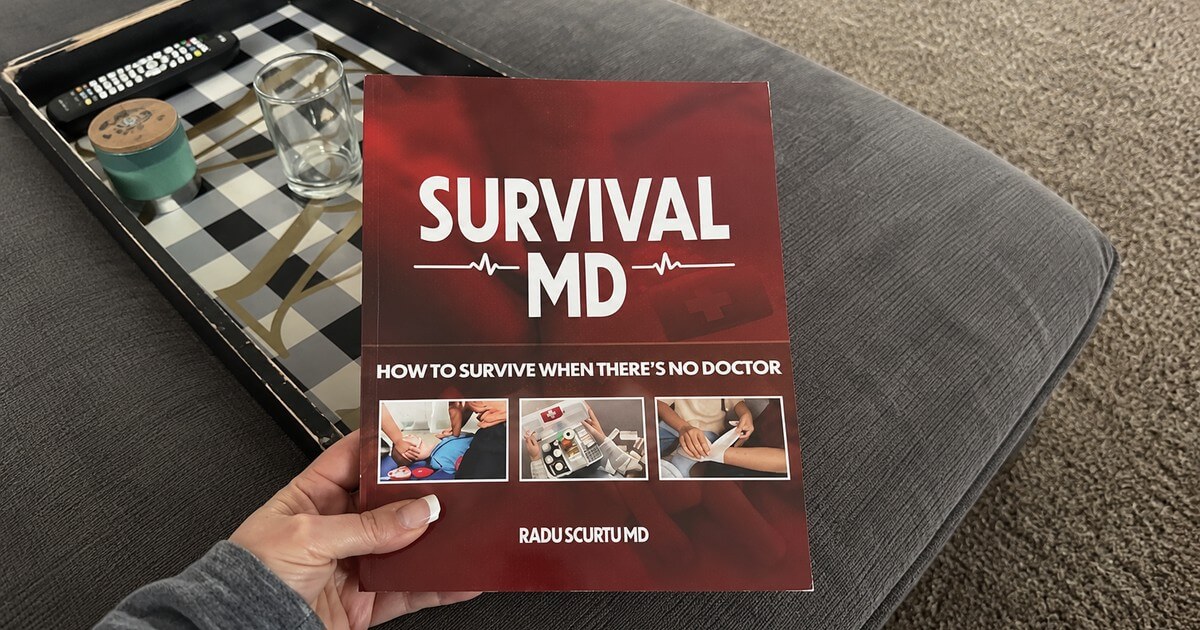
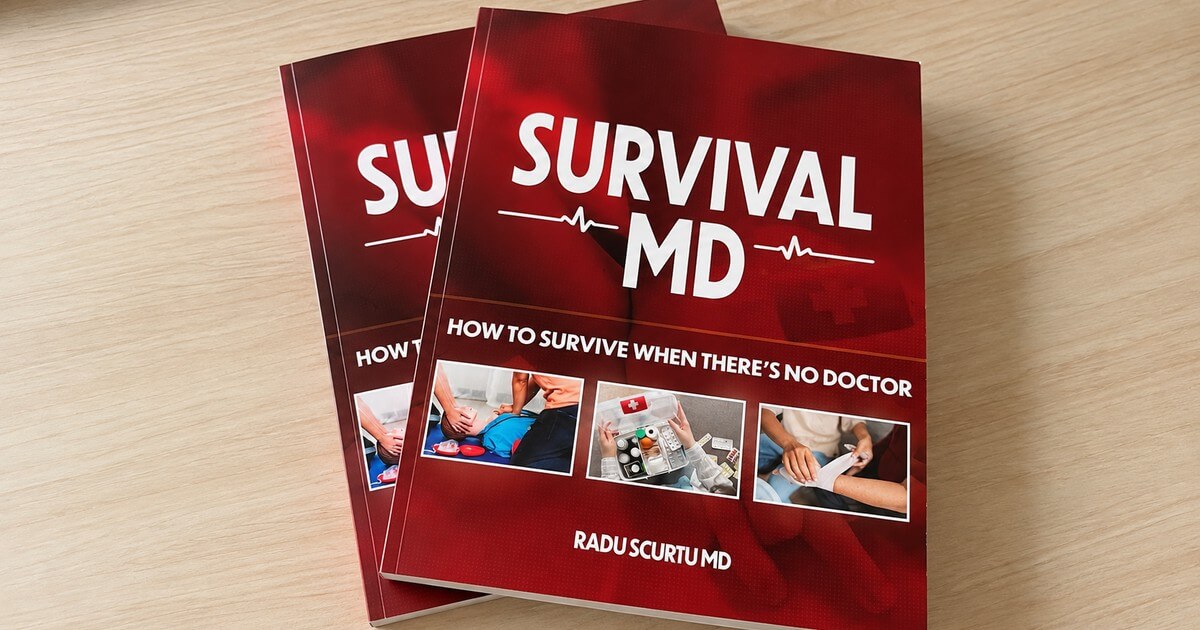
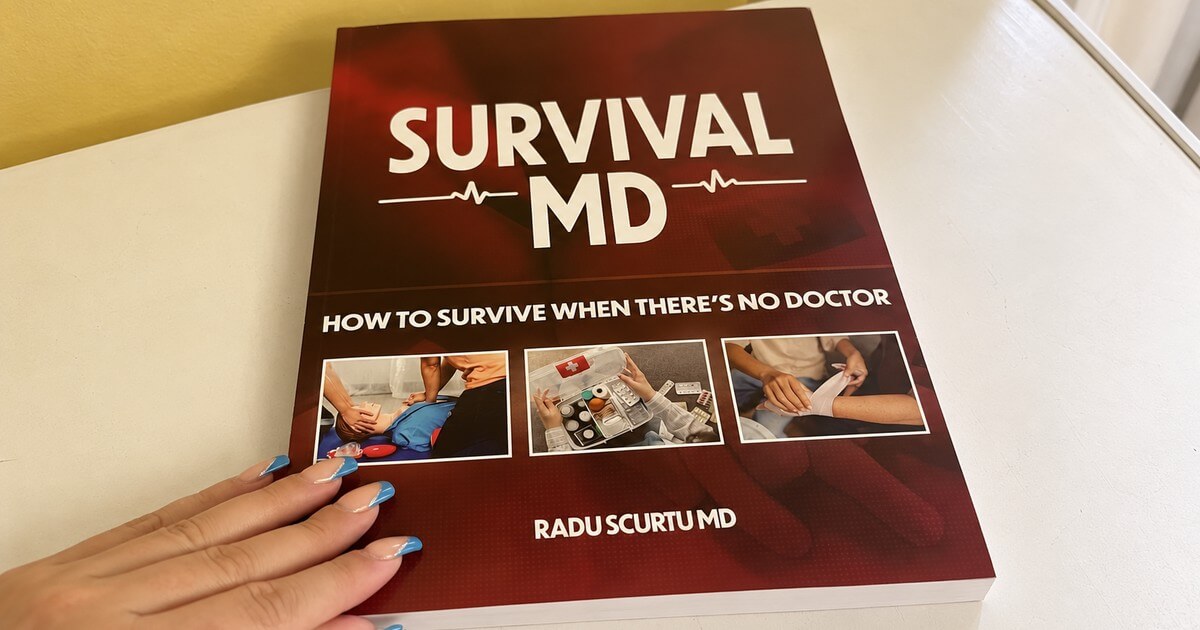
Here's our answer: you'll get the most out of both, but the book is the foundation. A class gives you a few hours of practice. Survival MD by Dr. Radu Scurtu gives you a complete plan you keep for years, covering the situations a class never reaches, especially the days when you can't reach a doctor at all.
Let's look at what each one really gives you.
What a Red Cross Class Gives You
Let's give credit where it's due. A Red Cross first aid and CPR class offers things a book can't:
- Hands-on practice on training mannequins
- An instructor who corrects your technique in real time
- Certification, valid for 2 years for in-person and blended courses, which many jobs require
Classes come in three formats: in-person, blended (online lessons plus an in-person skills session) and online-only. Keep in mind that the online-only option doesn't include a hands-on skills check and may not meet workplace requirements.
If you can take a class, take one. Survival MD itself recommends taking an accredited CPR class.
Where a Class Stops
Here's what most people don't realize until they've taken one: a first aid class covers a small slice of what a family needs in a real disaster.
1. It's built for the minutes before help arrives
Standard first aid training is designed around one goal: keep the person stable until emergency services take over. That's perfect for everyday emergencies. But in a hurricane, a flood or a long blackout, the ambulance may not come for days.
2. It can't cover everything in a few hours
A class has to focus on the essentials: CPR, bleeding, choking, burns and a few other emergencies. There's no time for chronic disease, medication planning, dental emergencies, pregnancy, infections, water safety, sanitation or what to do when prescriptions run out.
3. Skills fade, and certificates expire
A class lasts a few hours. Your certification lasts 2 years. Without practice, the details fade long before that. And when the moment comes, there's no instructor next to you to ask.
4. Only the person who took it is trained
If you took the class but you're the one who gets hurt, your family is on its own.
What Survival MD Gives You
Survival MD is built for exactly the gaps a class leaves:
- 19 chapters and 150+ topics, from preparing your home to handling emergencies when no doctor is available
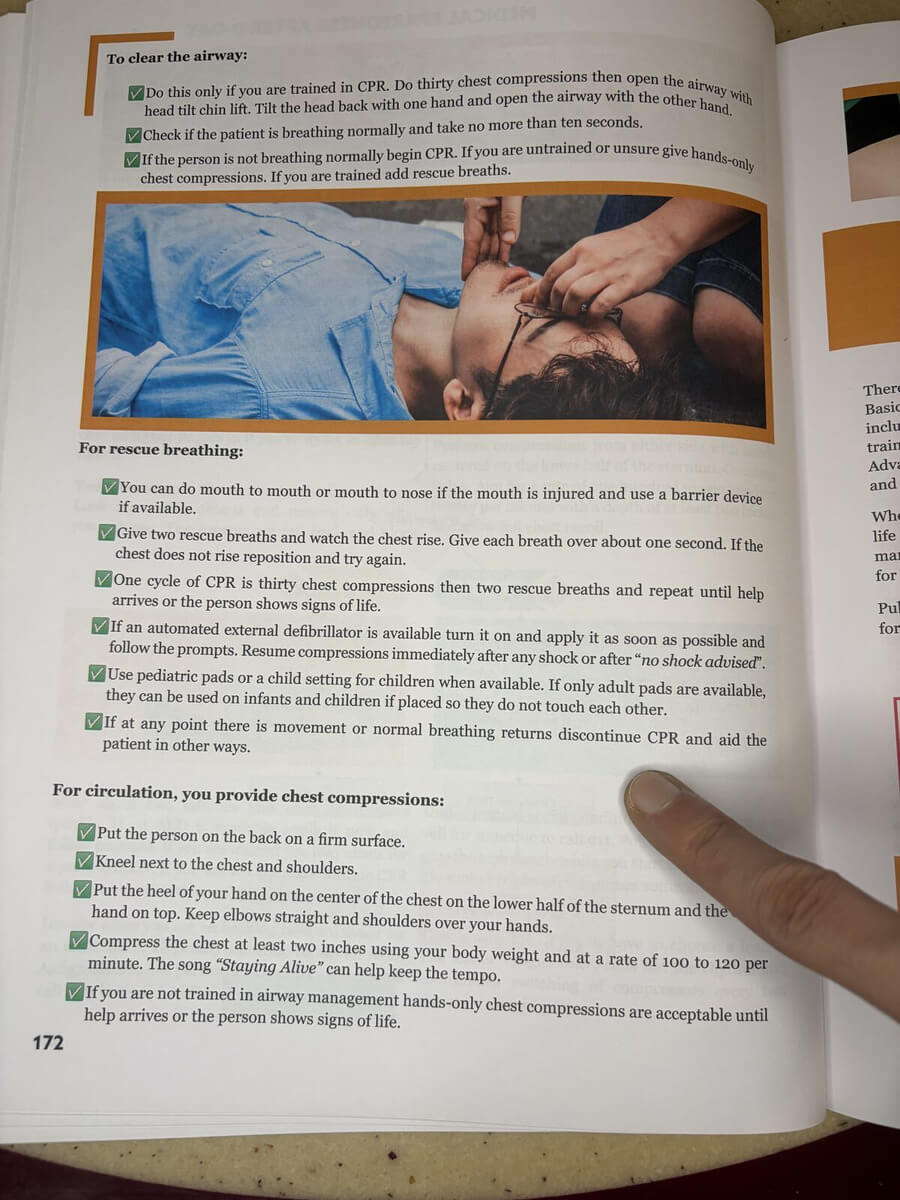
- CPR for adults, children and babies, choking relief, bleeding, wounds, burns, fractures and shock, with current guidance like the CAB sequence
- Chronic disease plans with color-coded action zones, medications to stockpile and how to survive without prescriptions
- Dental emergencies, women's health and pregnancy, infections, sanitation and climate-specific risks
- Triage guidance for when several people are hurt at once
- A 147-item home medical inventory with quantities for 2 adults + 1 child for 30 days
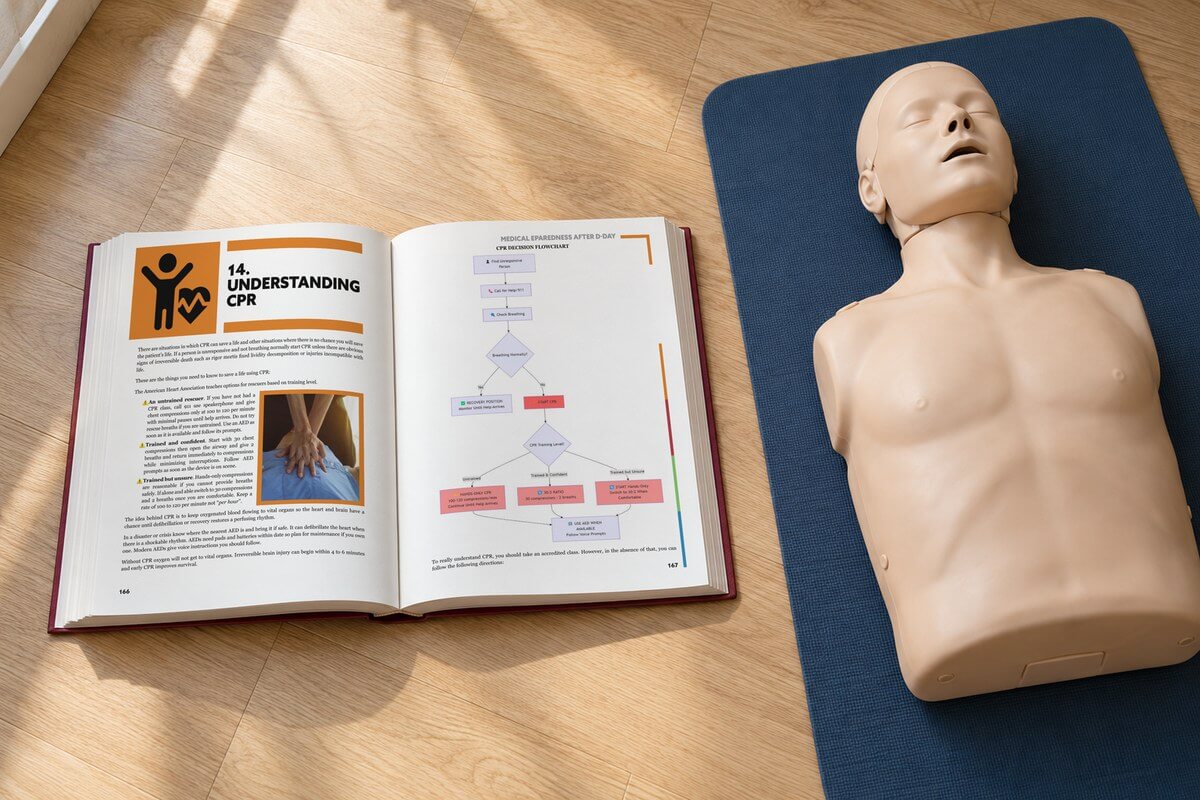
- 8 flowcharts, 70 Myth vs. Fact boxes and 50+ Clinical Safety Notes
- 350+ references to sources like the CDC, FDA, NIH and the American Heart Association
And it's printed, so it's always on your shelf, for everyone in your home, with no power, signal or instructor needed.
Book vs. Class: Side by Side
| Red Cross class | Survival MD | |
|---|---|---|
| Built for when no doctor is coming | ❌ Built for the minutes before help arrives | ✅ |
| CPR, choking, bleeding, burns, fractures | ✅ The essentials | ✅ In depth, for adults, children and babies |
| Chronic disease and medications | ❌ | ✅ |
| Dental, pregnancy, infections, sanitation | ❌ | ✅ |
| Several injured people (triage) | ⚠️ Rarely in basic classes | ✅ |
| Home supply planning | ❌ | ✅ 147-item inventory |
| Available at home, any time | ❌ Once, for a few hours | ✅ Always on your shelf |
| Helps everyone in your home | ❌ Only the person who attended | ✅ Anyone can pick it up |
| Never expires | ❌ Certification lasts 2 years | ✅ |
| Hands-on practice with an instructor | ✅ | Recommends an accredited class |
Survival MD covers far more ground. The class adds one thing a book can't: practice with your own hands. That's why the best plan uses both, starting with the book.
So, Do You Need Both?
Yes, if you can. But if you're doing one first, start with Survival MD. Here's why:
- You can start today. No schedule, no waiting for the next class date.
- It covers 150+ topics, not just the essentials.
- It helps your whole family, not just the person in the classroom.
- You'll get more out of the class. When you've already read the CPR, bleeding and shock chapters, the hands-on session makes sense faster, and you'll know exactly what to ask the instructor.
- It stays with you. When the certificate expires and the details fade, the book is still on the shelf.
The Ideal Order
- Read Survival MD. Start with the chapters that matter most for your family.
- Take a hands-on class. An adult and pediatric first aid, CPR and AED course is a great choice, especially in an in-person or blended format with a skills session.
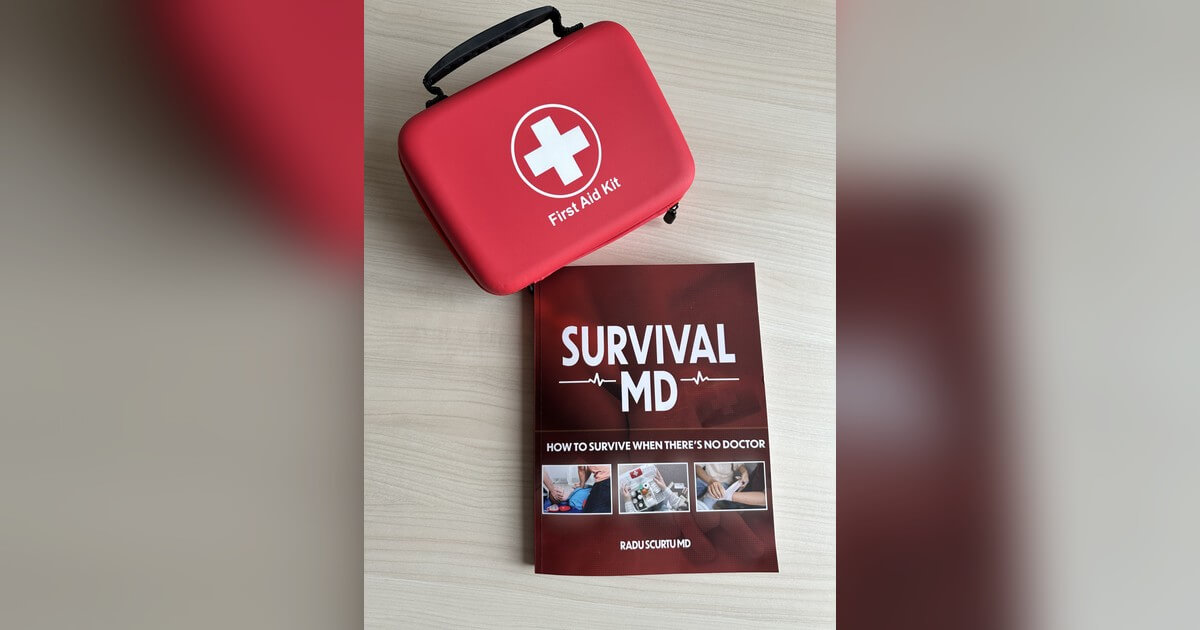
- Keep Survival MD next to your first aid kit. It's your reference for every topic the class didn't have time for.
- Refresh both. Reread key chapters every year, and renew your certification every 2 years.
More here: What Survival MD Doesn't Cover (and the Perfect Way to Fill the Gap)
Already Took a Class?
Great, you're ahead of most people. Survival MD builds on what you learned. Its CPR guidance even adapts to your training level, with different steps for people who are untrained, trained and confident or trained but unsure. And it adds everything your class didn't cover: chronic disease, medications, infections, triage and long-term care. More here: I Already Took a First Aid Class. Do I Still Need This?
What You Get for $37
- Survival MD, the full-color printed book: 288 pages, 19 chapters, 150+ topics
- 4 bonus guides: When There's No Doctor For Your Child, When There's No Pharmacy, Herbal First Aid For When There's No Doctor and When There's No Vet
- A 60-day refund: your money back within 5 business days, and you keep everything
Frequently Asked Questions
Is a Red Cross class enough to prepare for a disaster?
It's a great start for hands-on skills like CPR and bleeding control. But it's built for the minutes before help arrives and doesn't cover chronic disease, medications, infections, sanitation or long-term care when no doctor is available. Survival MD covers those.
Should I buy the book or take the class first?
Start with Survival MD. You can begin today, it covers far more topics, it helps your whole family, and reading it first helps you get more out of a hands-on class.
Does Survival MD replace a CPR class?
No. It recommends taking an accredited CPR class for hands-on practice. The book gives you the complete knowledge and long-term reference that a class can't.
How long is a Red Cross certification valid?
Red Cross first aid and CPR certifications from in-person and blended courses are valid for 2 years.
Is Survival MD useful if I already have a certification?
Yes. Its CPR guidance adapts to your training level, and it covers everything beyond basic first aid, especially what to do when help can't come.
The Bottom Line
A Red Cross class and Survival MD aren't rivals. But they're not equal either. The class gives you a few hours of practice for the first minutes of an emergency. Survival MD gives your whole family a doctor's plan for everything else, from preparing your home to handling the days when no doctor can be reached. Start with the book. Add the class. Keep the book.